“Are You a Natural Light Photographer?”
With all due respect, “natural light photographer” is sometimes a euphemism used by photographers who haven’t studied and mastered the potential of flash.
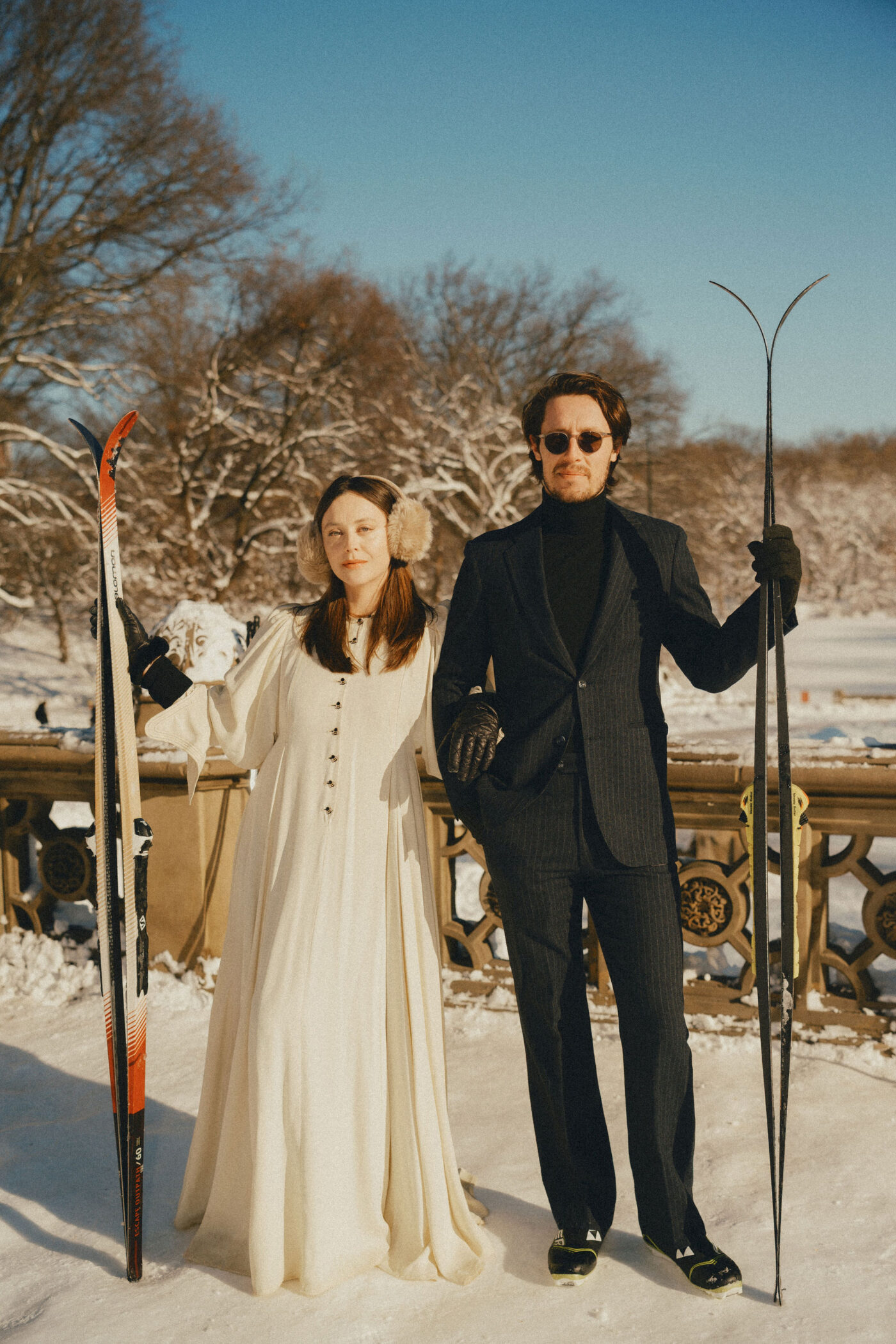
I love natural light. I always prefer to use what the scene gives me. A window with soft side light, a pocket of golden hour glow, a beautiful shadow falling just right — these are gifts, and I chase them every single wedding.
But I’m not willing to let poor light or a cloudy November sky limit your photos.
Here’s my actual philosophy on flash: I’m a student of light. If natural light is my first language, then flash is my second language. And I’ve worked hard to become fluent in using and shaping light, so that when the setting doesn’t give me what I need, I can create it myself.
How I Think About Light Before I Even Arrive
Even before arriving at the venue, I’ve looked at photos of the space and checked out the weather forecast. Sometimes, especially for proposals and engagement shoots where I help couples choose the best time and place, I’ll even use a sun mapping app to understand exactly where the sun will be in the sky at your specific venue at every hour of your day.
I always arrive early on wedding days, and I’m always observing light — where are the windows, the pockets of natural light, the interesting shadows? Where are there light-grey stone floors or white walls that could bounce and fill available sunlight naturally?
I’m always looking for the best available light first. Flash is what I reach for when I’ve exhausted those options — or when I know in advance that a specific moment will need it.
What You’ll Never See Me Do
Flash during your ceremony. Never. I think this should be illegal. The ceremony is for you, your guests, and your families. My job there is to be as invisible as possible while still capturing everything. A flash going off during your vows is a distraction I refuse to create.
Flash during your first look. This is your moment. I step back, stay out of earshot, and capture it with a photojournalistic eye. No flash, no direction, no interruption. Some photographers (and especially videographers) over-direct the first look as if your heartfelt emotional reactions are designed to enhance their footage. Nope. It’s about you two, sharing a real, poignant, emotional moment.
Flash as a crutch. I’m not a flash-heavy photographer who artificially lights every scene. Think of photographers like Jason Vinson — incredibly creative, technically brilliant, but that’s a specific aesthetic choice. Mine is different. I reach for flash when I need it, not as a default. And while I might use warm orange gels to match warm incandescent lights in your reception space, you’ll never see me using red and blue gels on my flashes to turn your wedding photos into a rock band portrait shoot.
How Flash Actually Shows Up in Your Wedding Day
Getting Ready
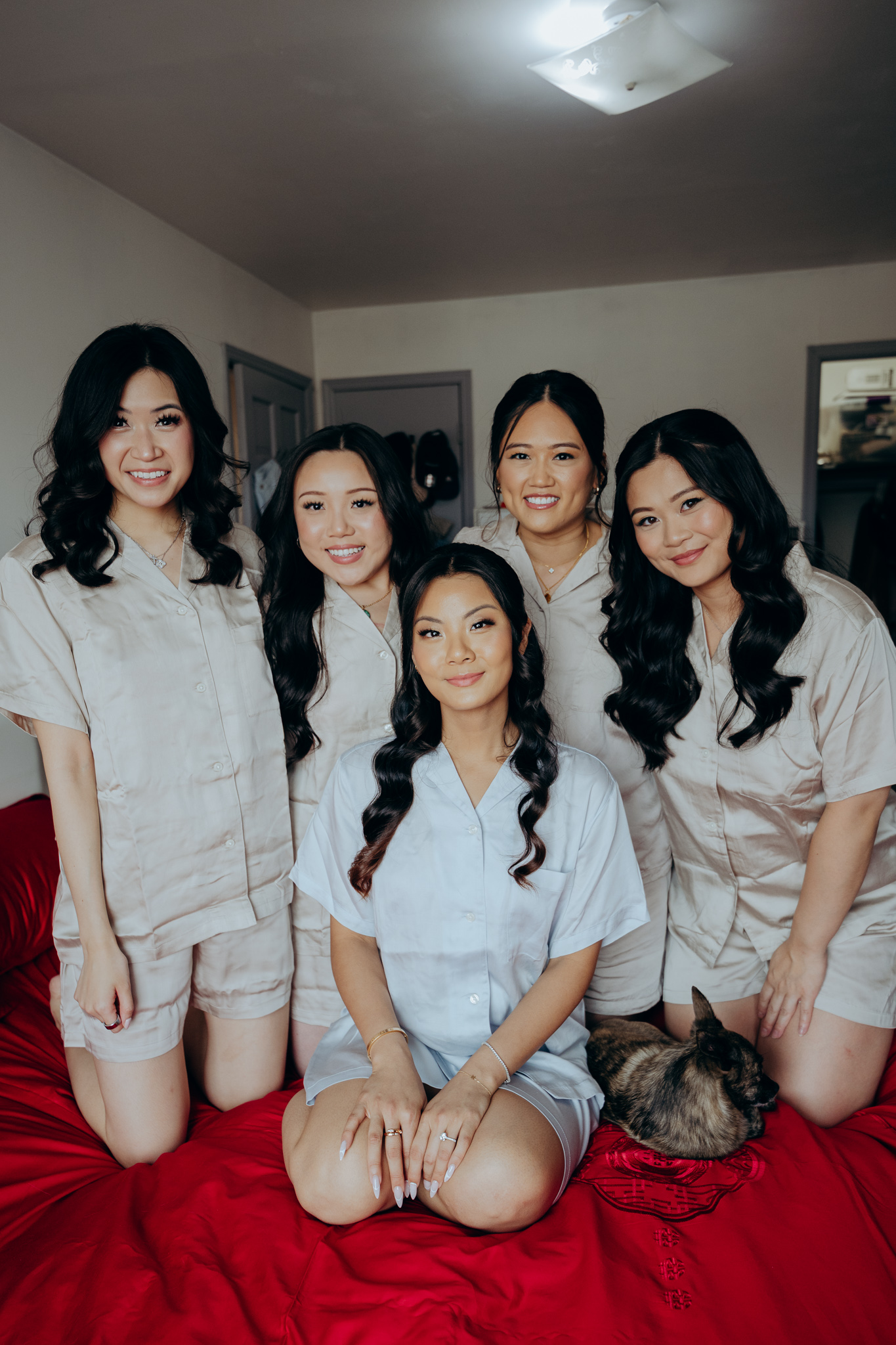
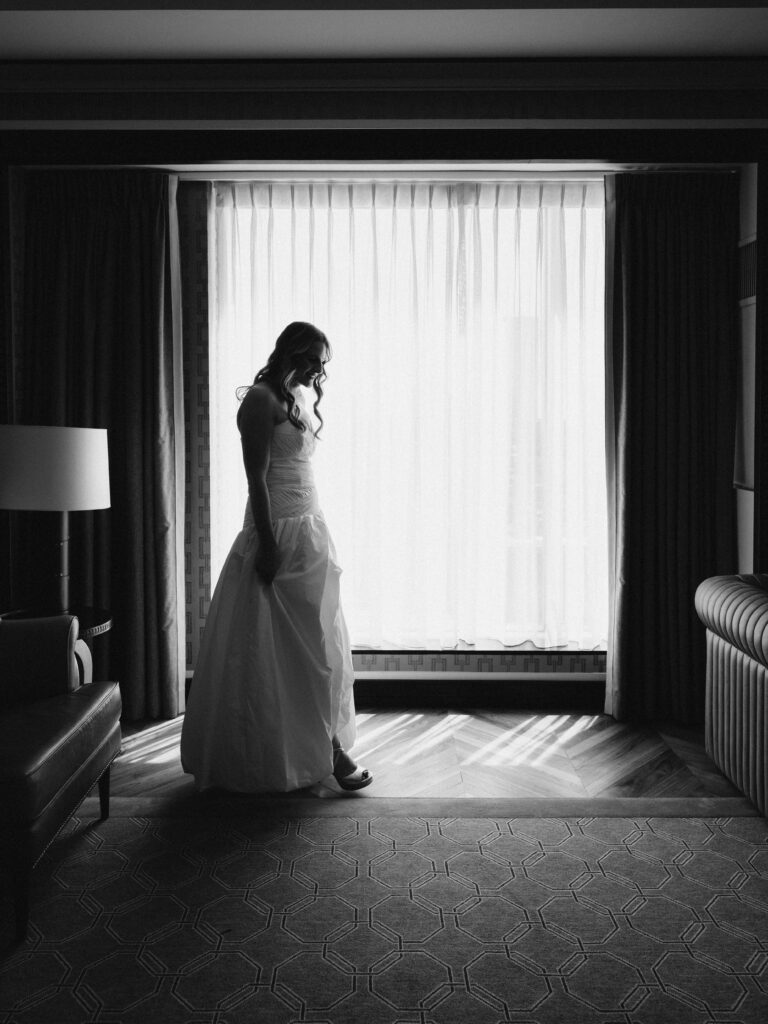
Almost always natural light. I love finding a window with soft side light for portraits of the bride or groom with their parents and closest friends. On occasion — a cute group photo in a dimly lit hotel room, for example — I might use a bounced flash off a white ceiling. But my approach here is candid and photojournalistic first.
Details and Flatlays
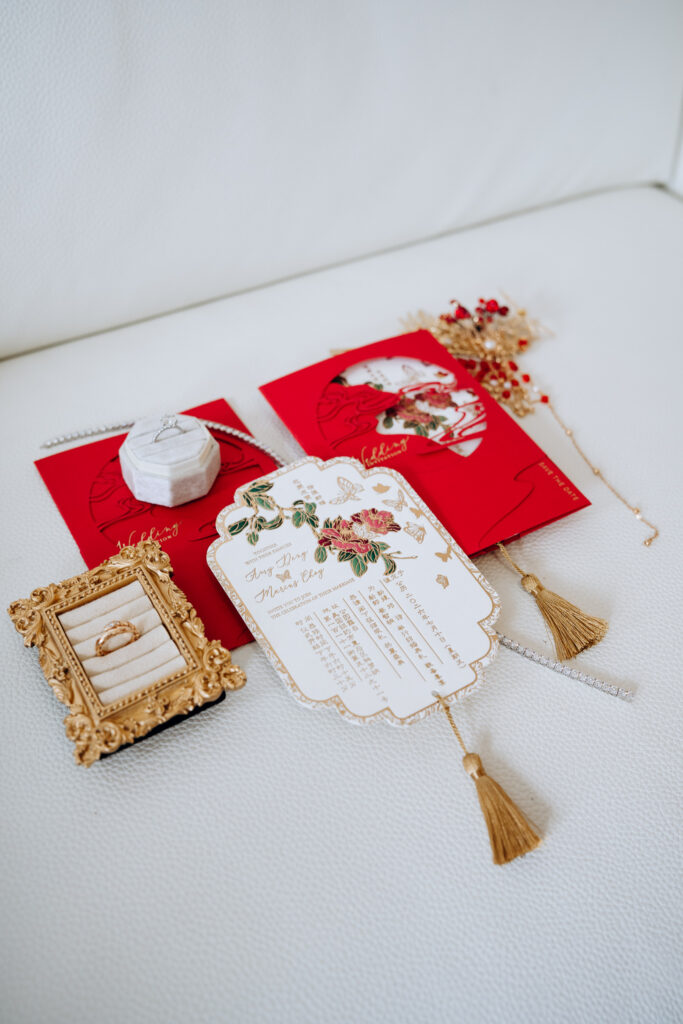
I rarely use flash here. I want my flatlay and detail photos to have a sense of place, so I’d rather use a couch, a bridesmaid’s dress, or the texture of the venue’s windowsill than a generic white backdrop — and I’d rather use the scene’s natural light than manufacture something artificial. If the lighting is too dim or too flat, I’ll reach for a technique: bounced flash, direct flash, or even a reflector to bounce sunlight. But always in service of something that feels like your day, not a product shoot.
Family Formals
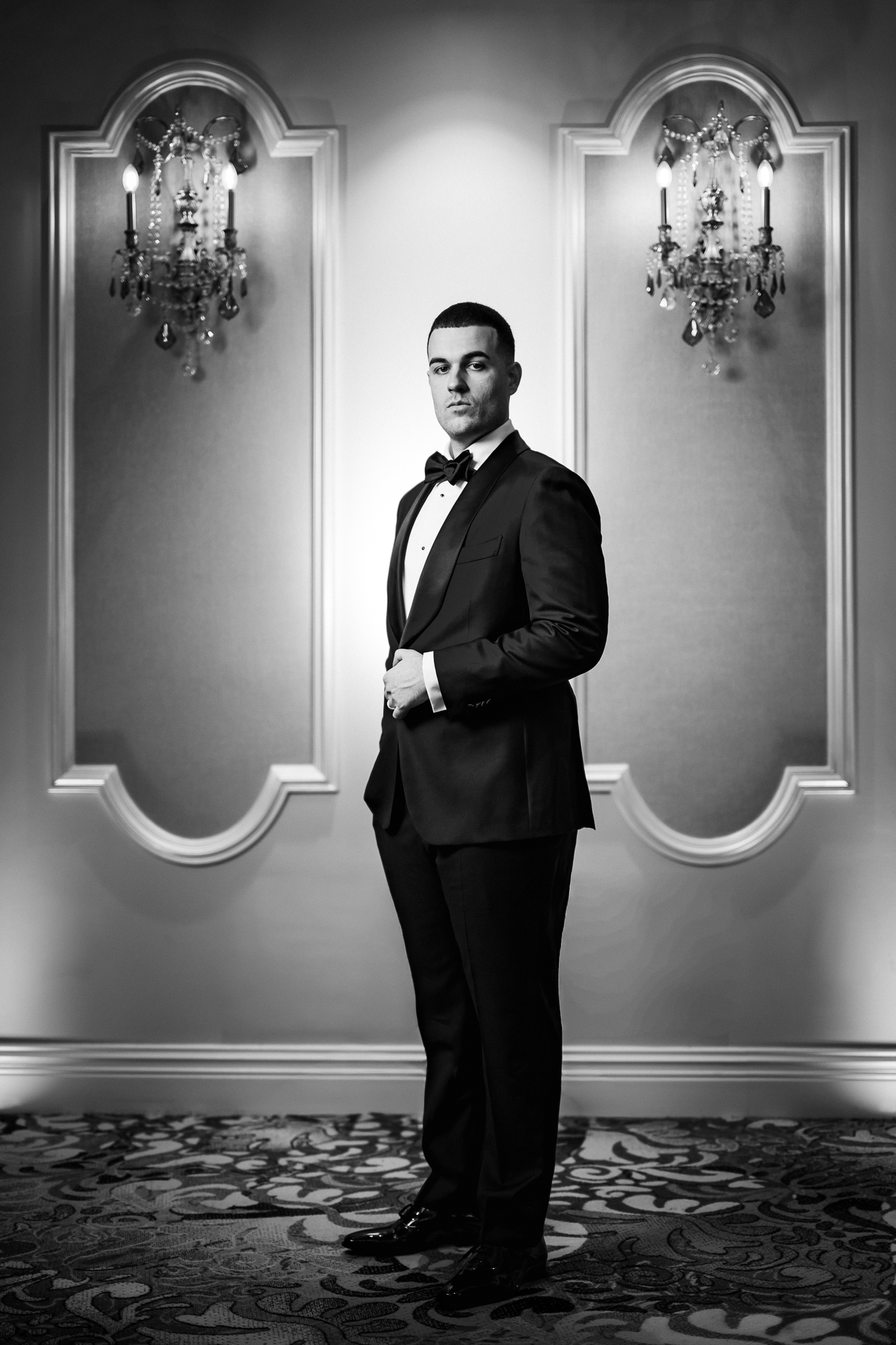
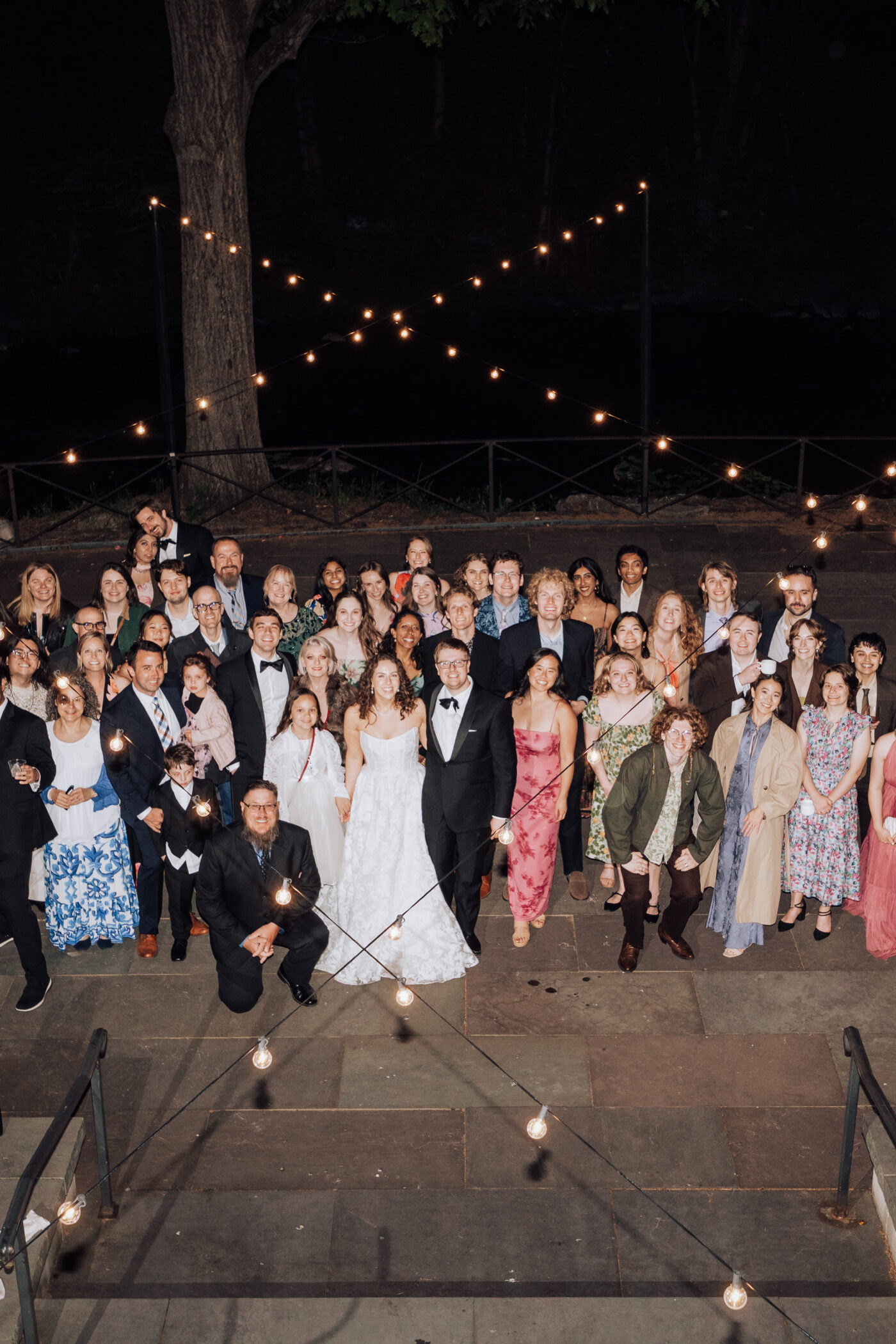
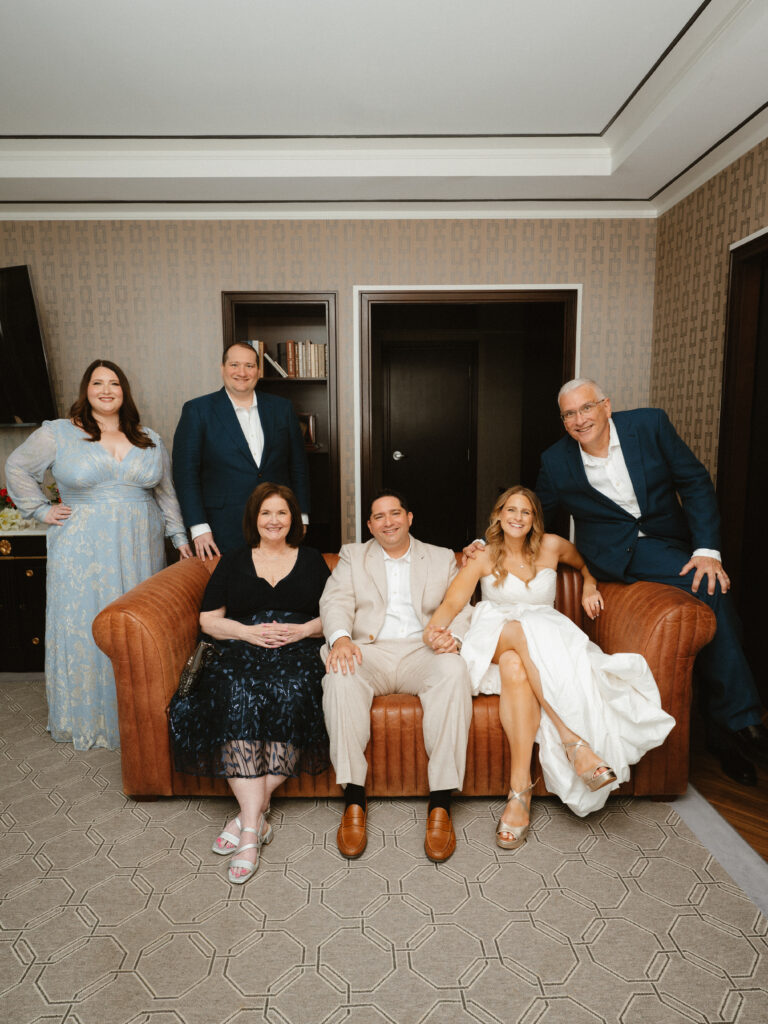
I prefer natural light, but I will never let your family photos be ruined by ugly shadows because I was underprepared. When I need to, I’ll set up 2 studio strobes on lightstands with diffusion umbrellas — the kind of setup that gives you family photos that are bright, even, and genuinely flattering. Everyone’s faces visible, no harsh shadows.
Cocktail Hour
Almost never flash. My approach here is street photography — moving through the room, capturing laughter and candid moments among friends old and new. My cameras and lenses are capable of beautiful images even in low light. Flash here would break the spell.
Reception and Dance Floor
This is where flash gets interesting.
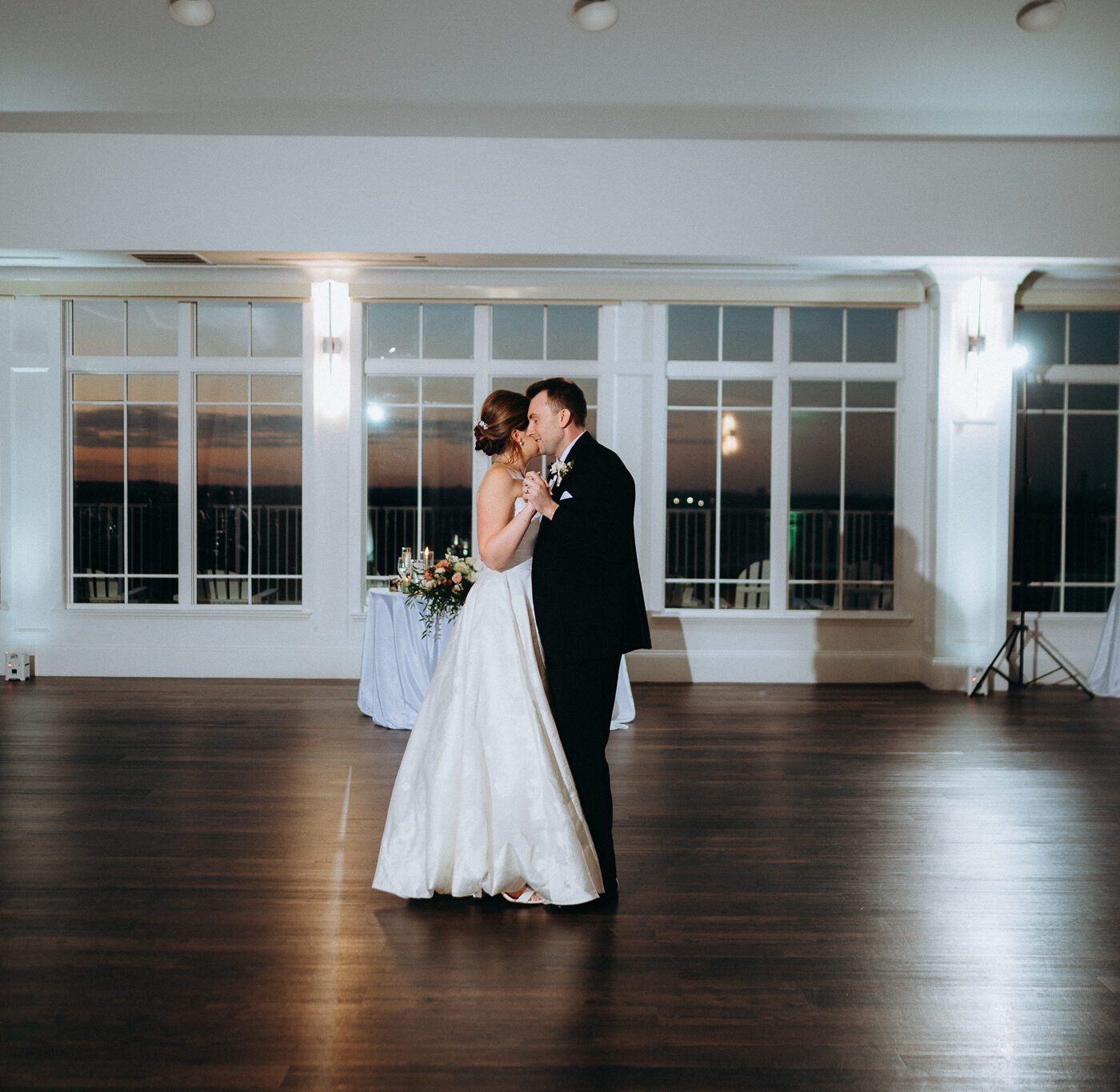
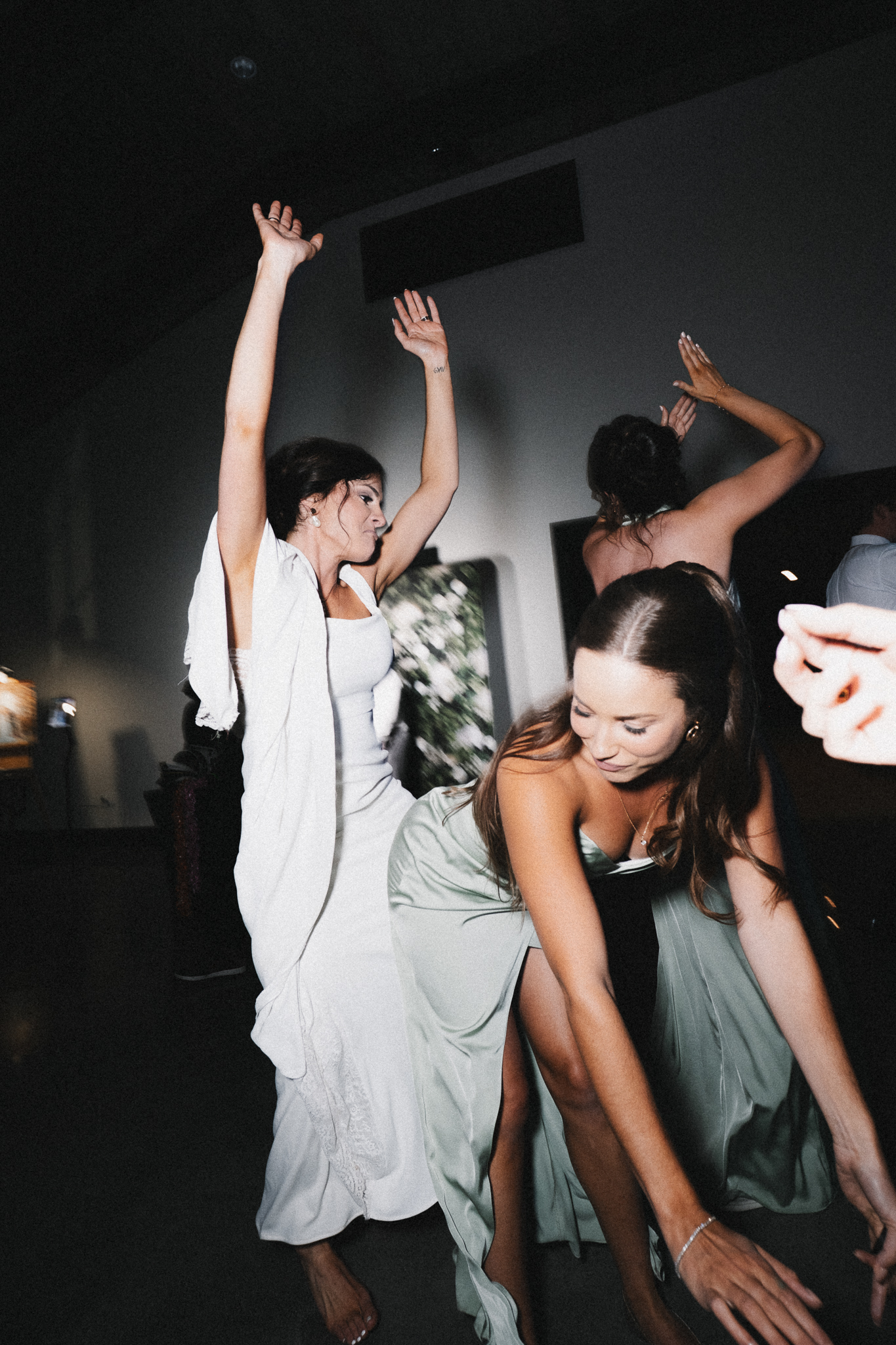
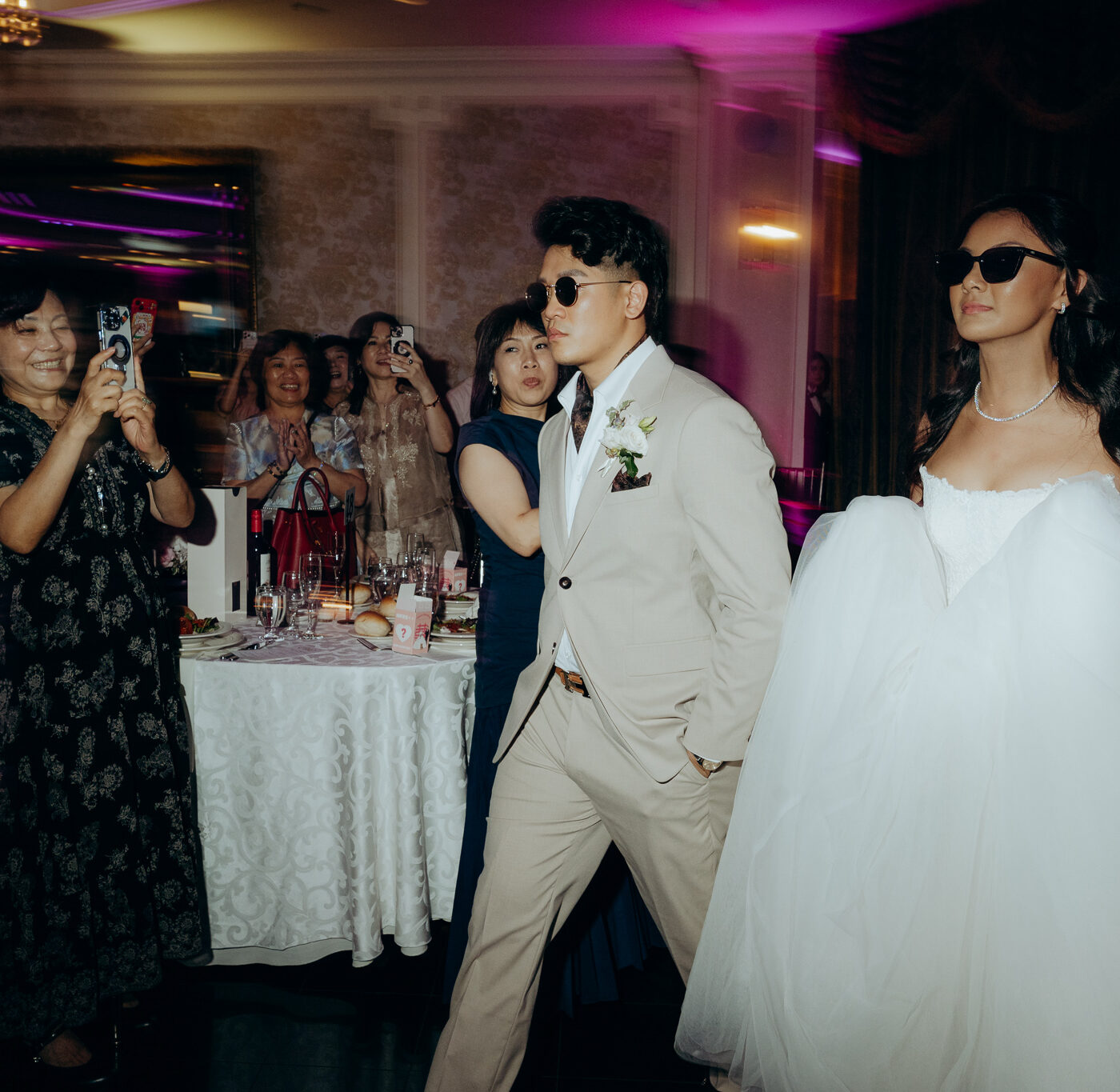
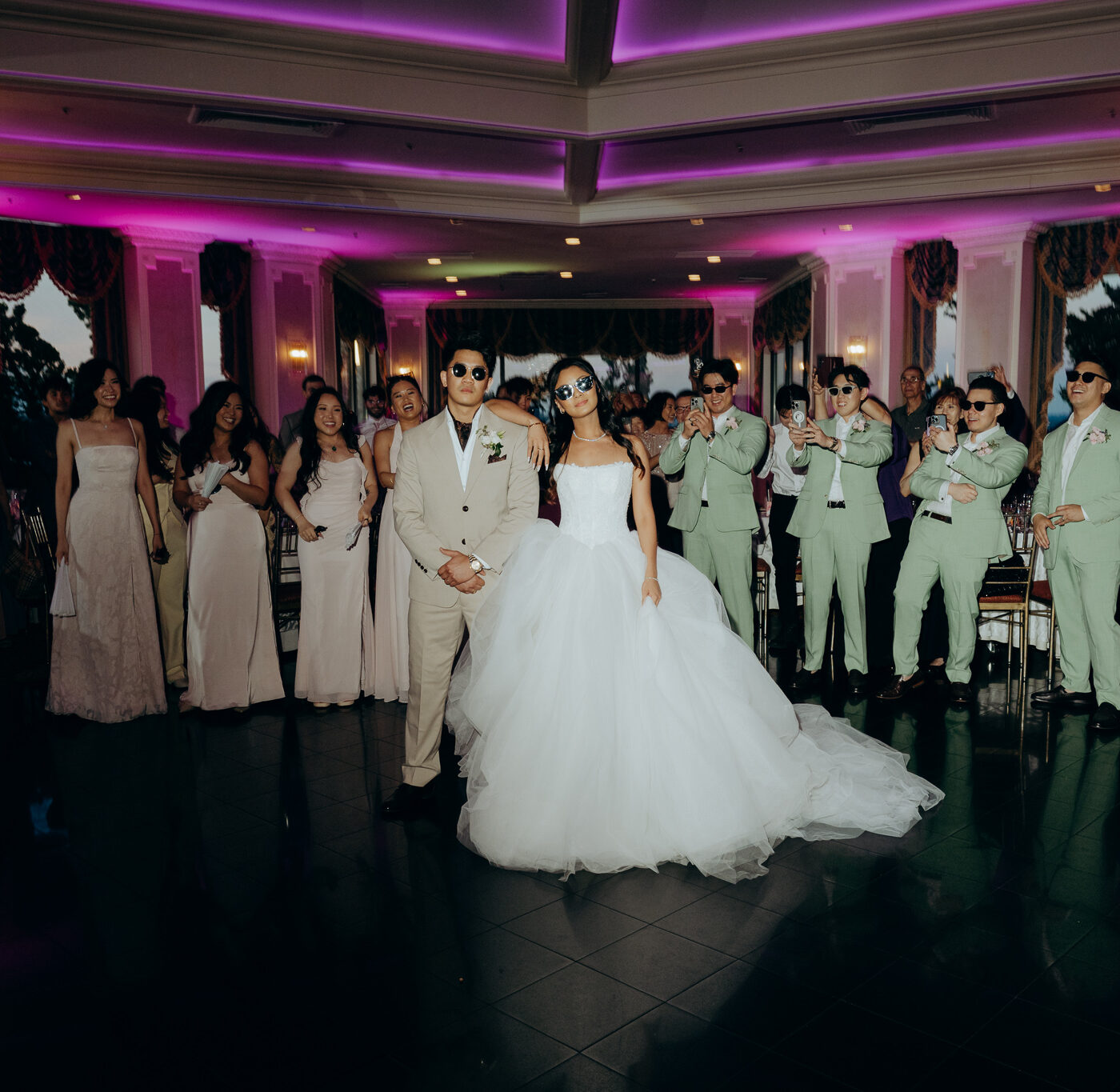
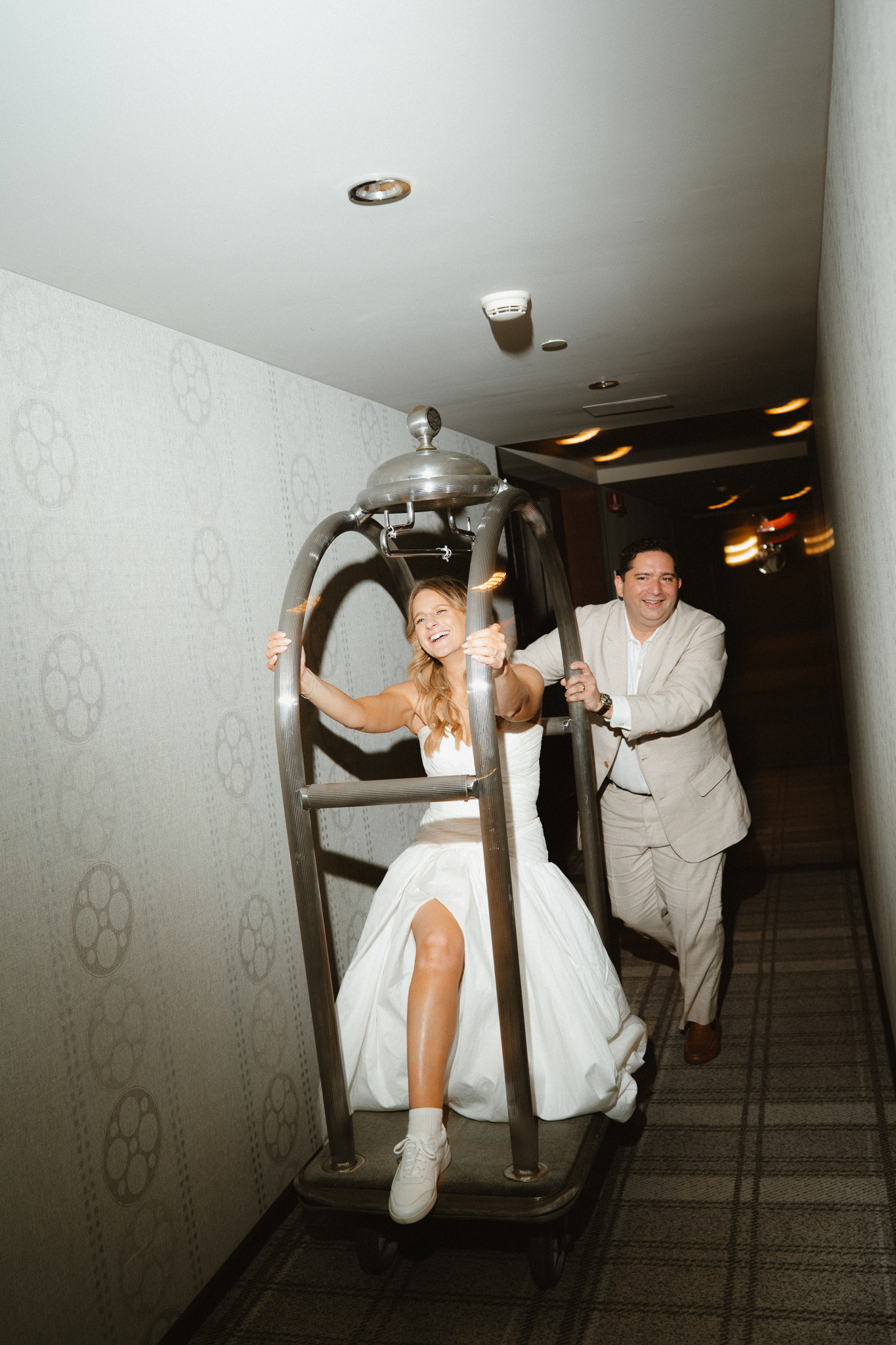
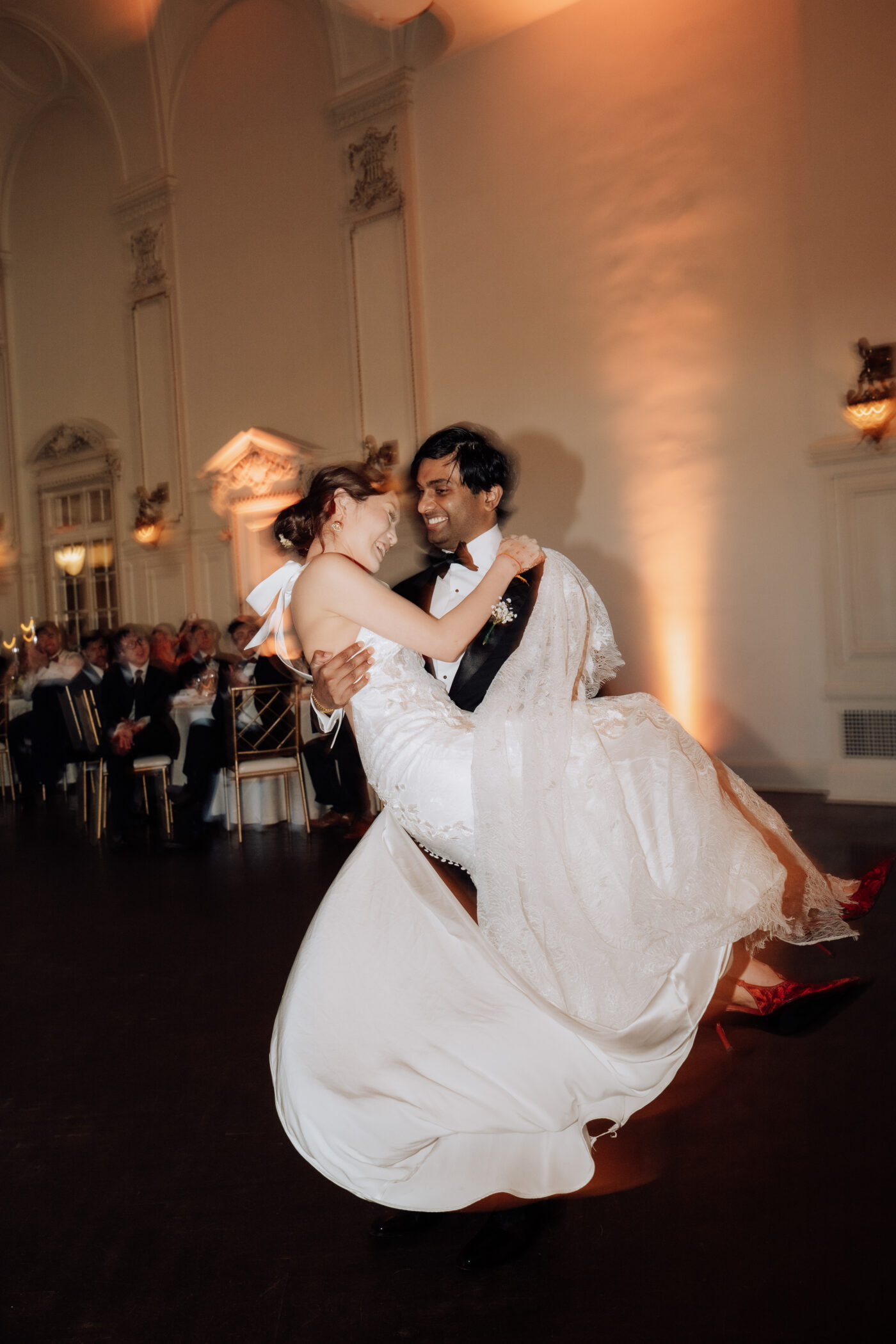
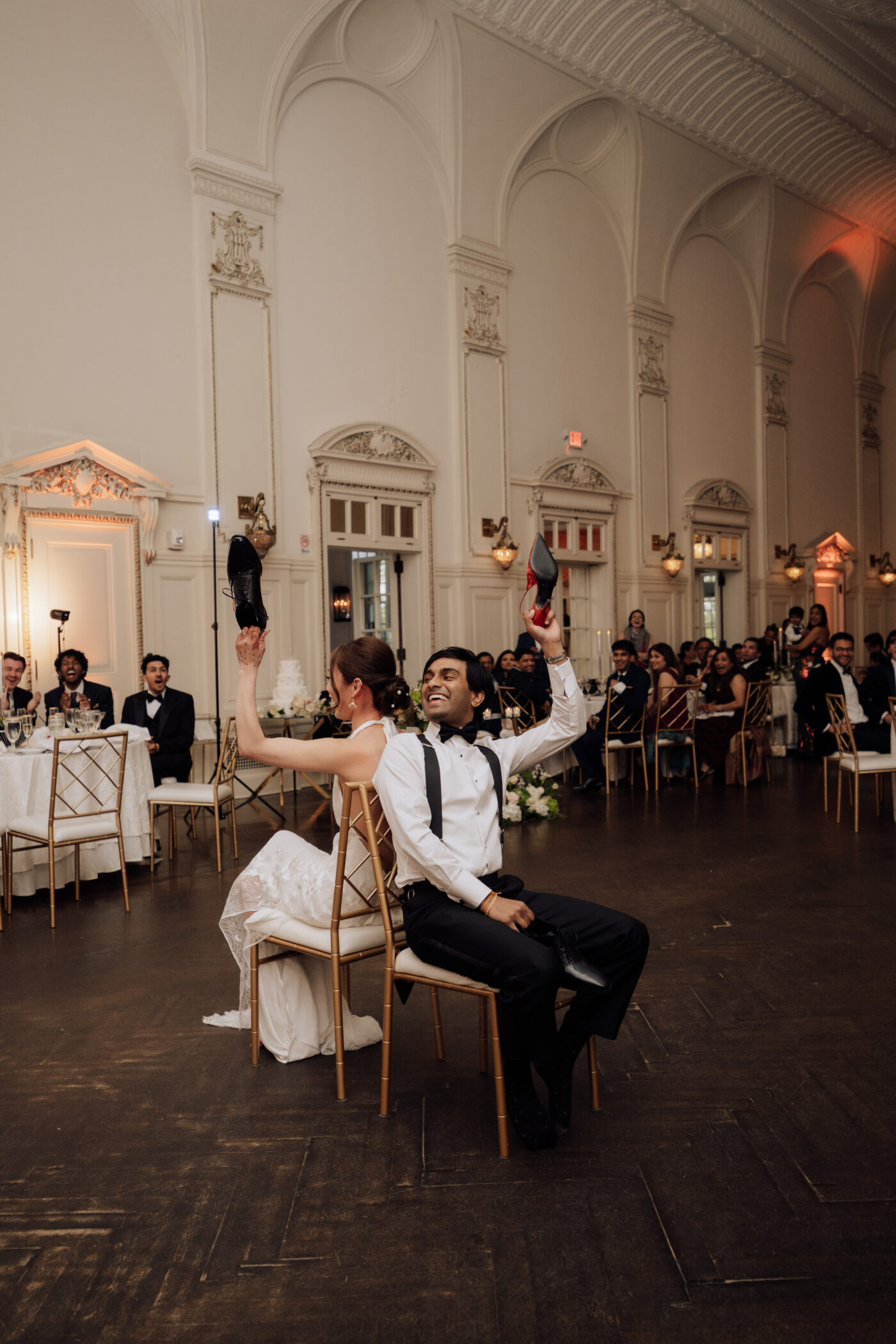
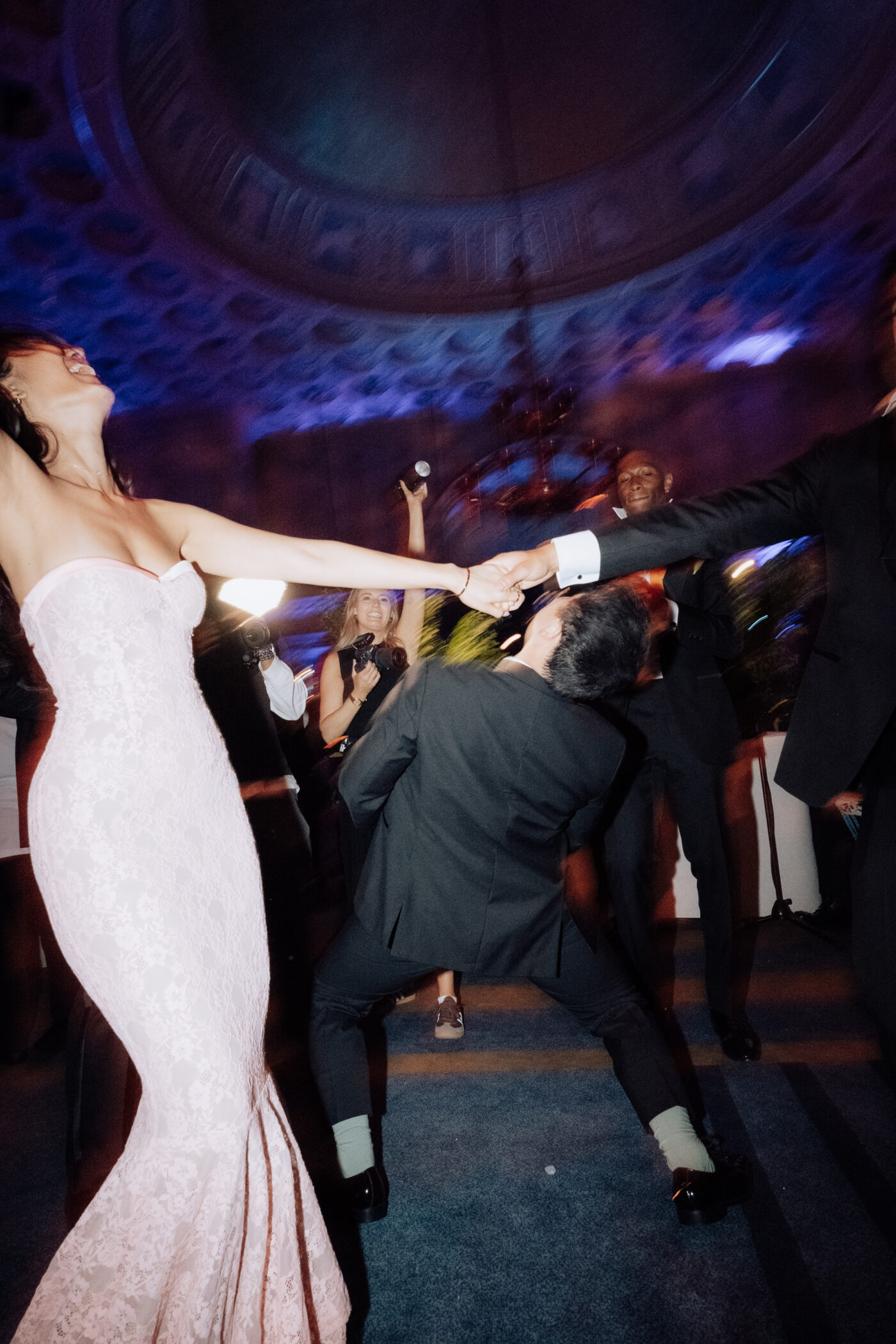
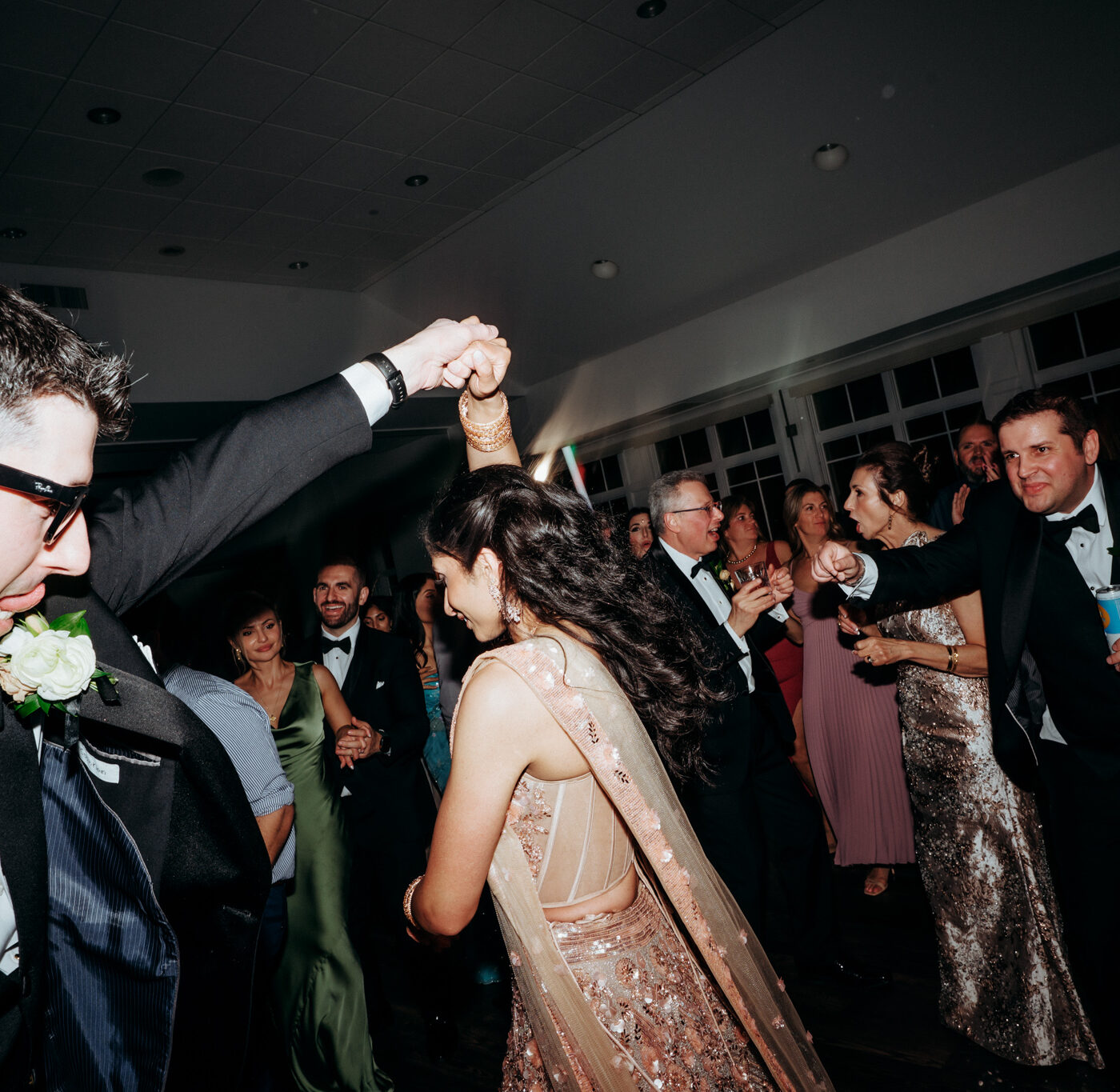
I’ll run two cameras simultaneously: one with a wide lens and flash for the energy shots, one with a prime lens and no flash to capture scenes in the actual ambient light — the colored DJ lights, the warm glow, the dark and moody feel of a late-night reception. Sometimes those no-flash shots are the ones that feel most alive.
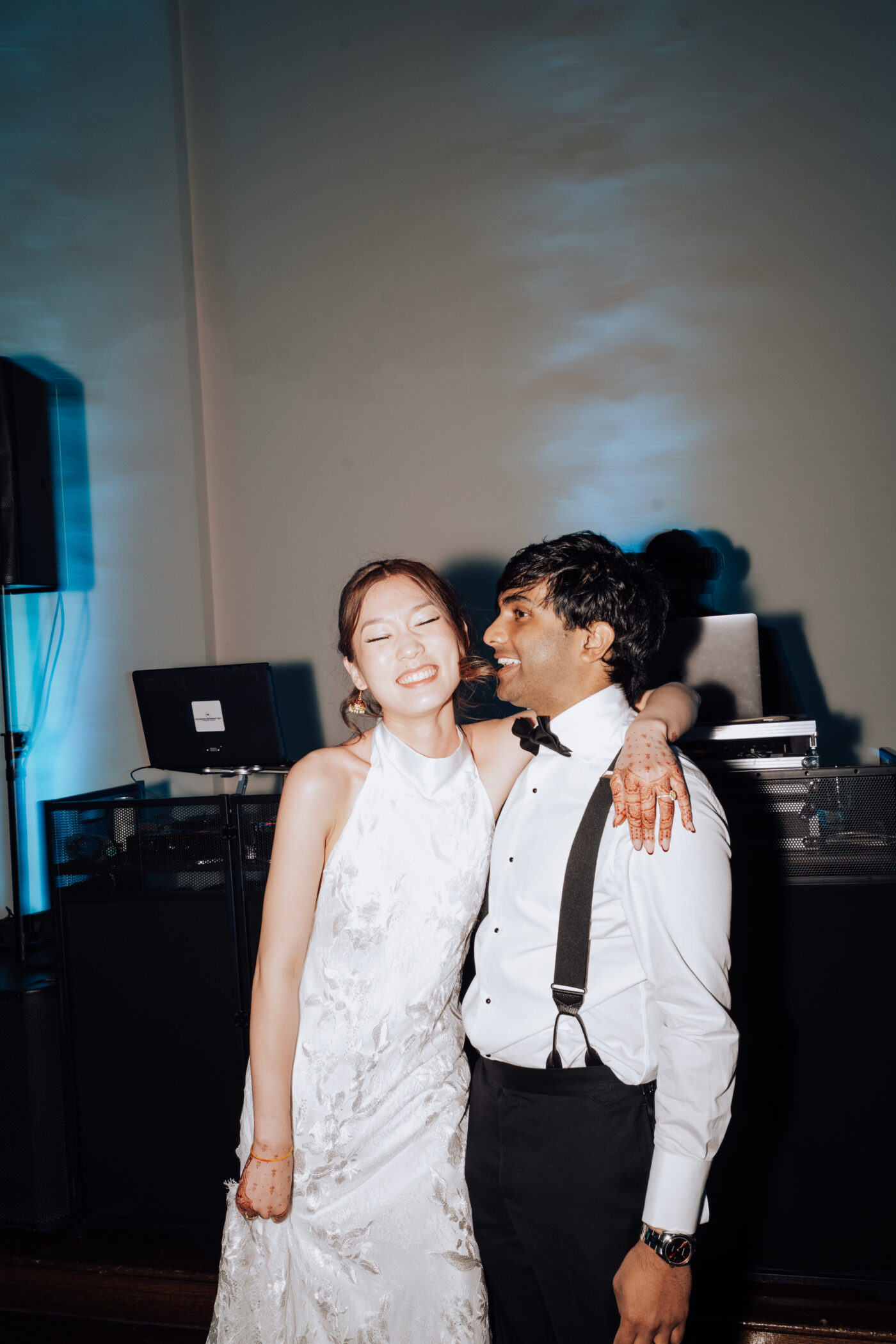
For speeches, I’ll sometimes set up a pair of off-camera flashes on lightstands for a refined, elegantly lit look. For dancing, I’ll shift between direct flash for that party energy, and shutter drag shots that bring motion and light trails into the frame — intentionally choreographed to match what’s actually happening on the floor.
Portraits
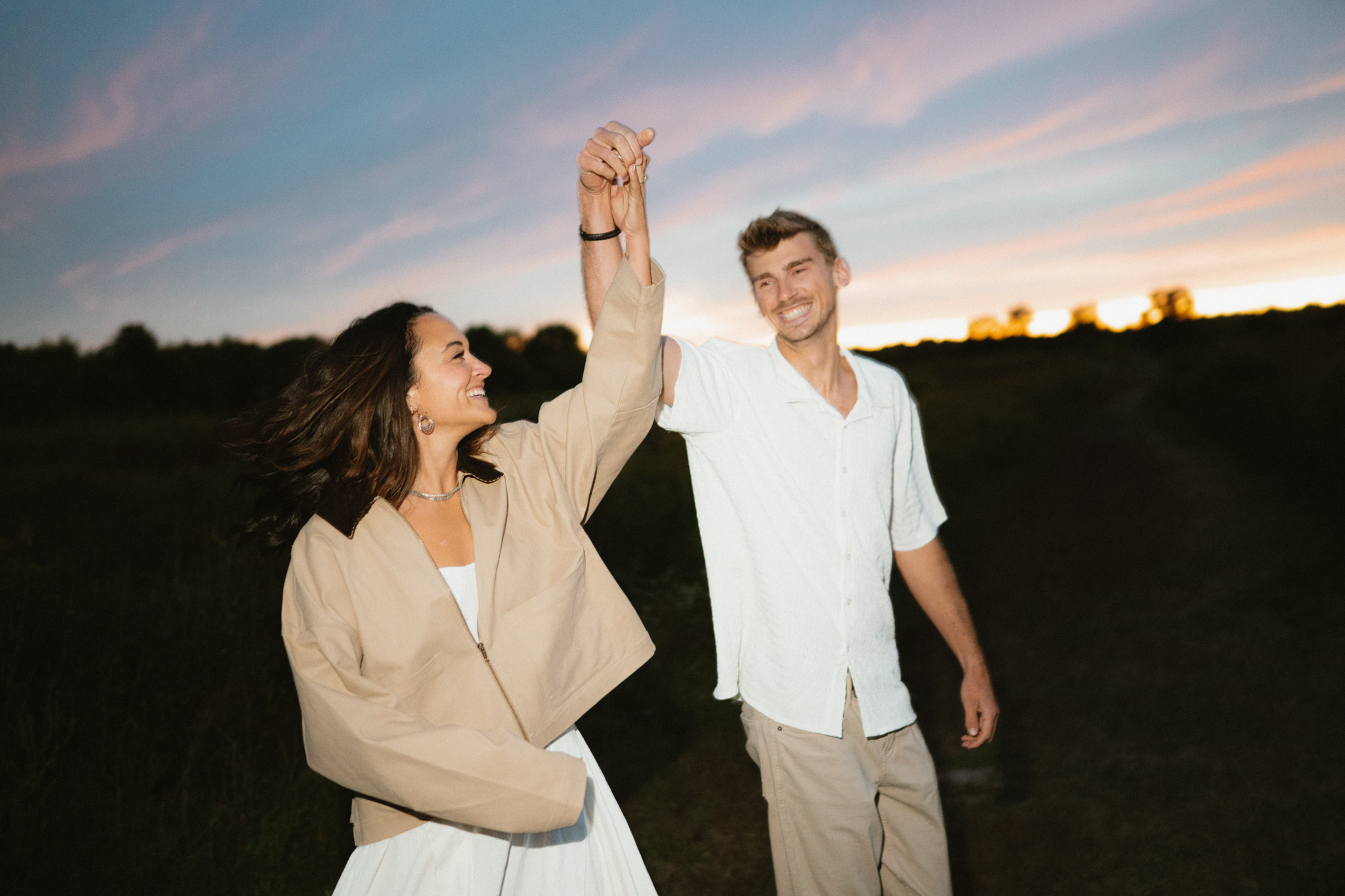
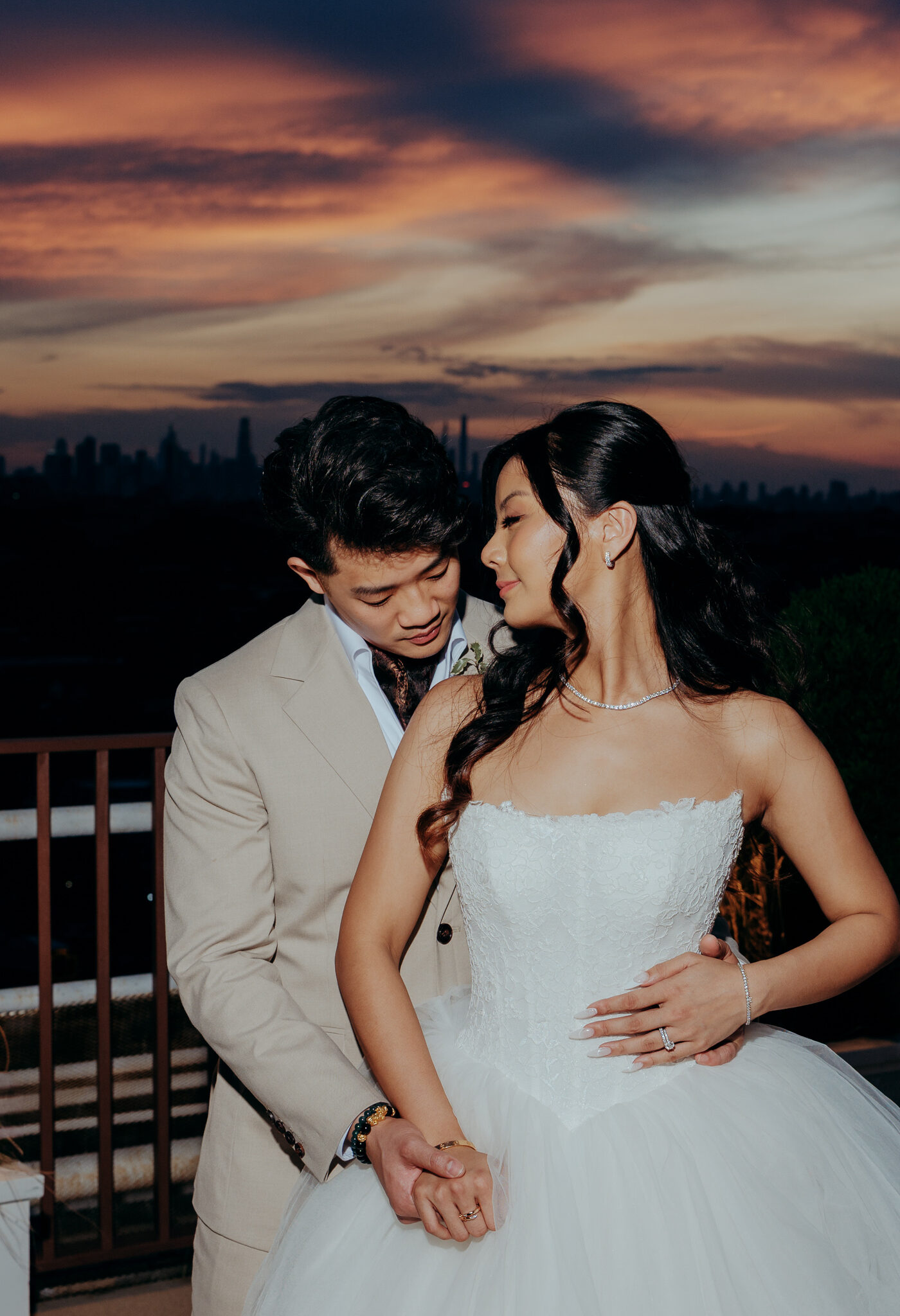
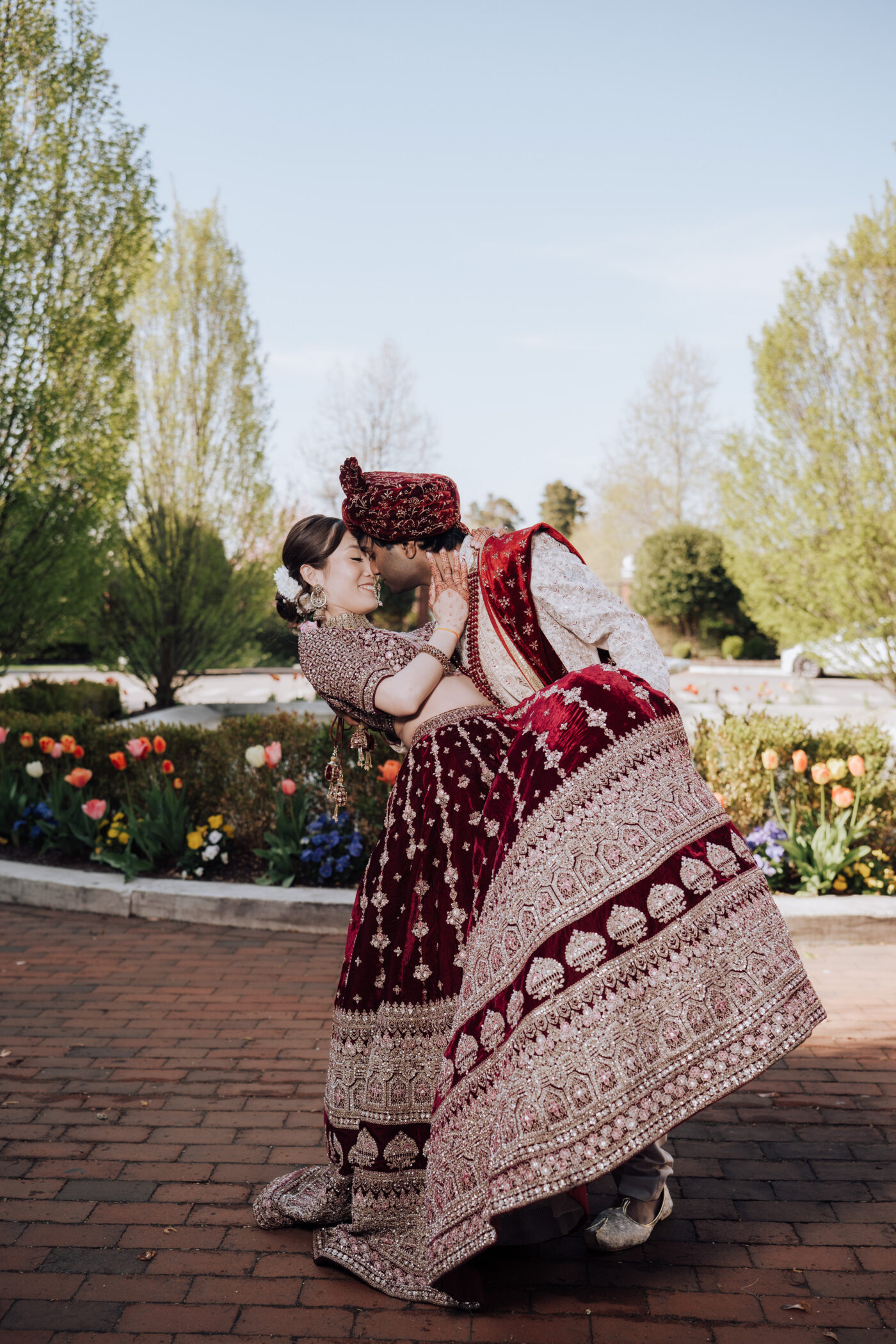
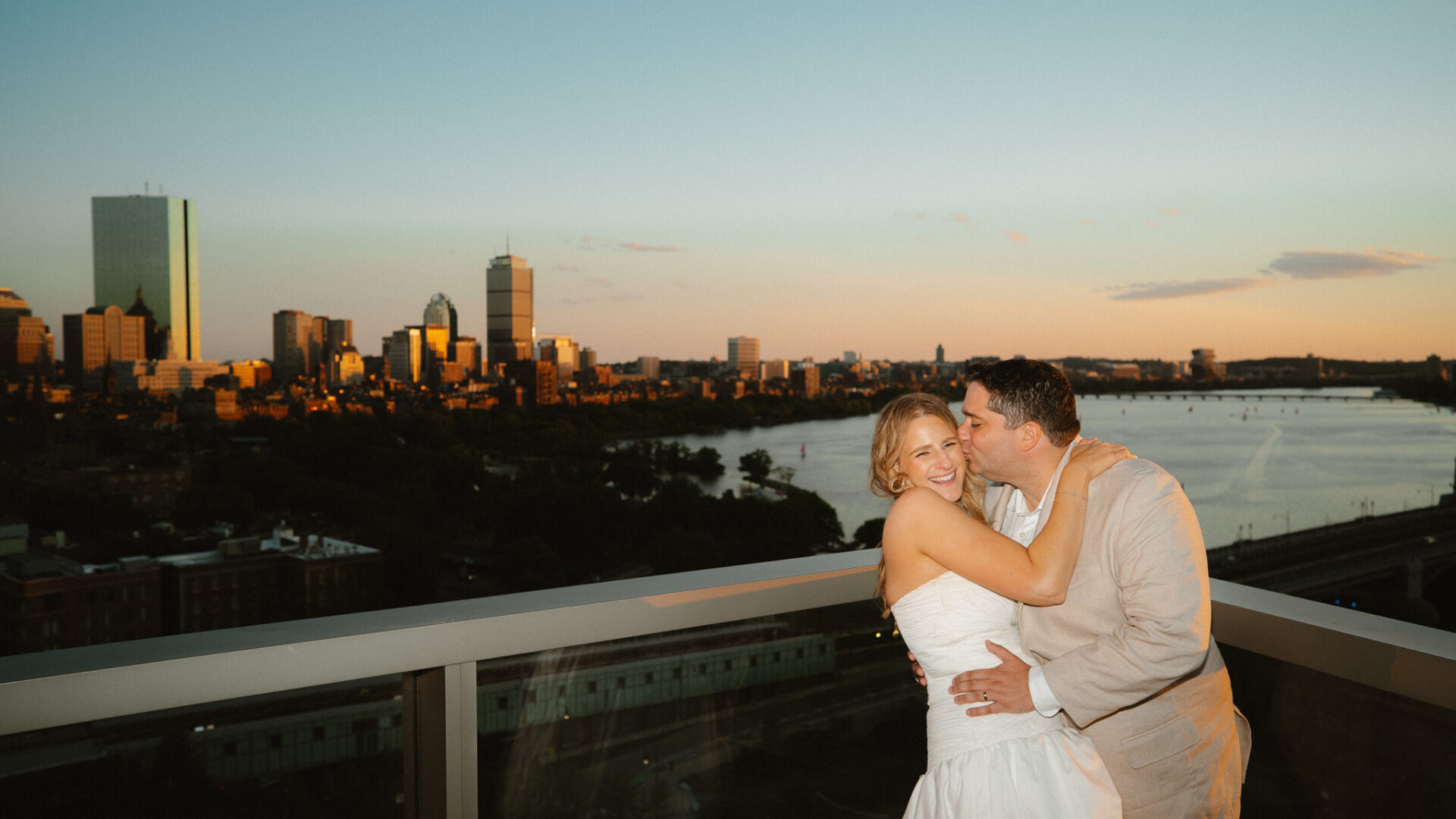
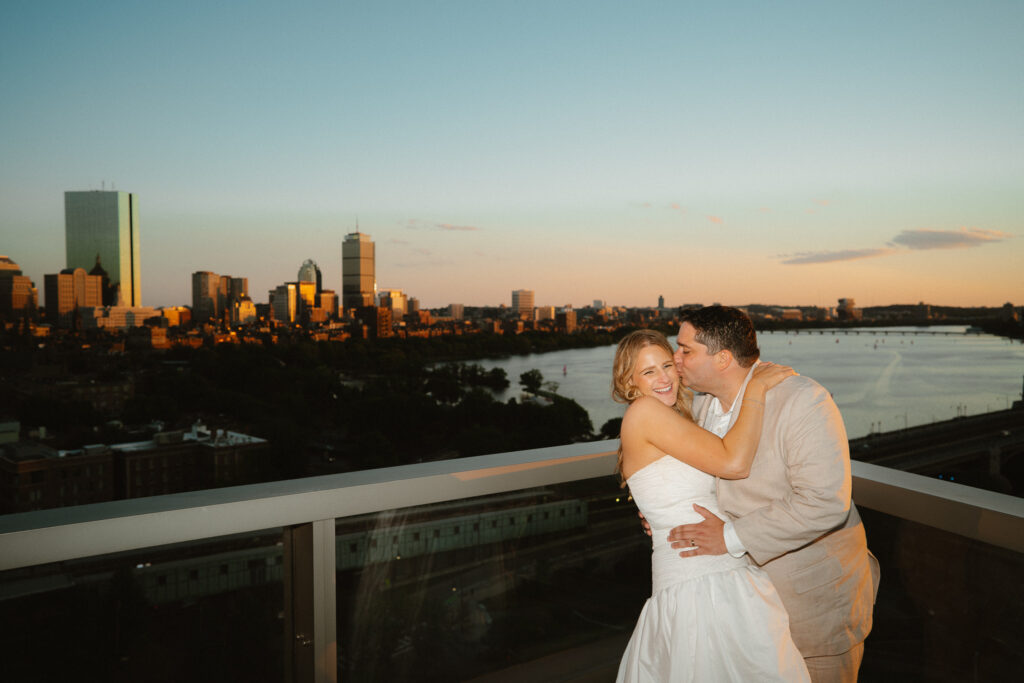
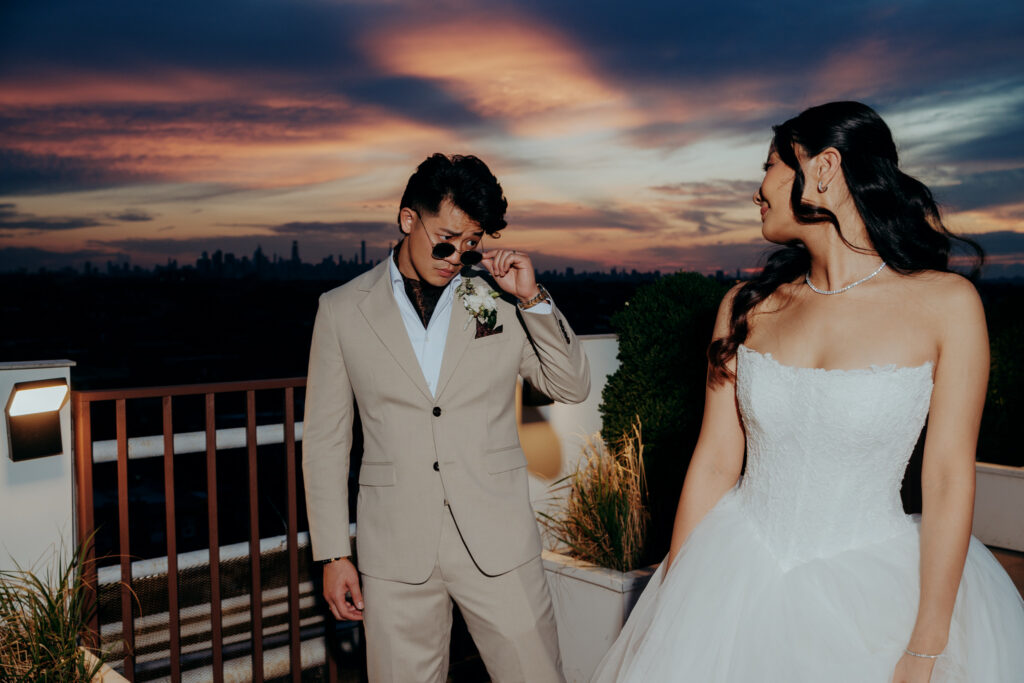
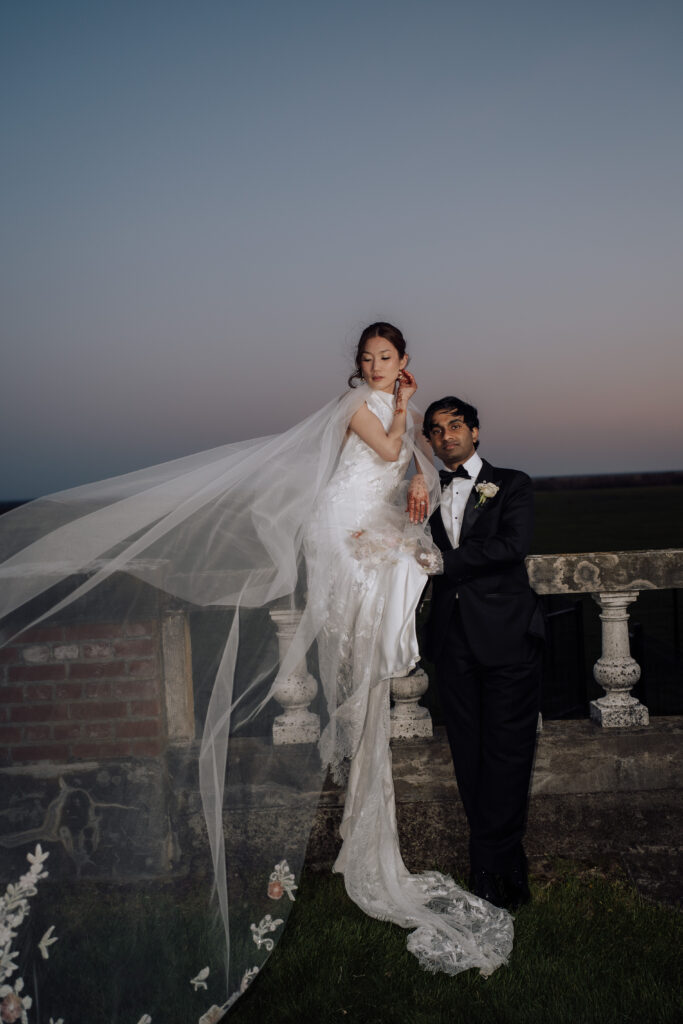
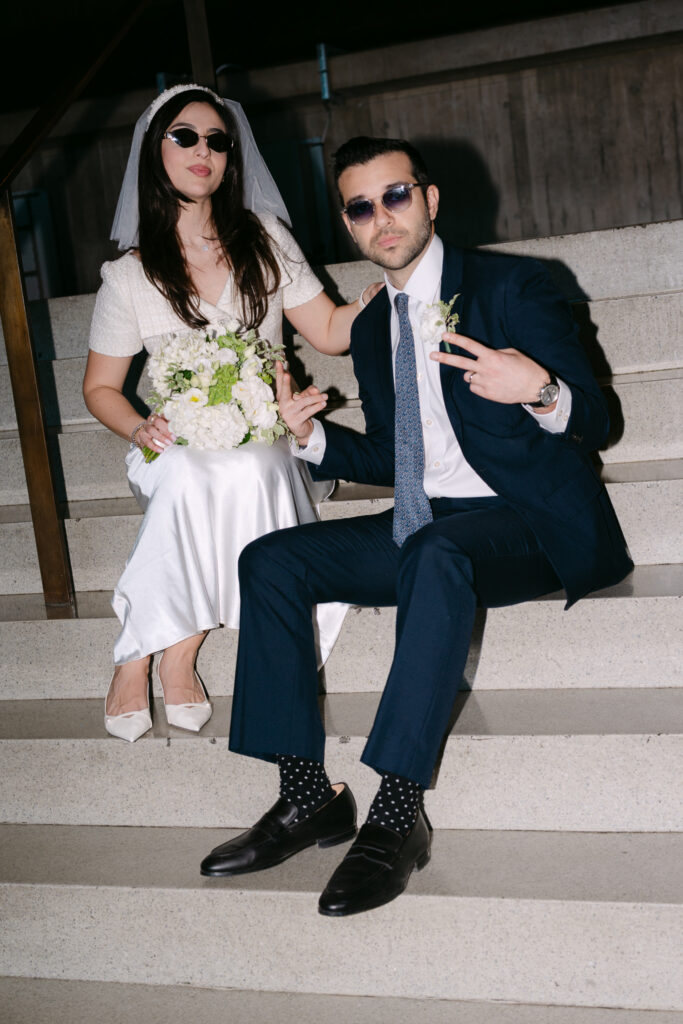
During the day: about 90% natural light. That 10% is fill light, creative flash, or occasionally something more editorial. (Really it’s more like 100% natural light for my more documentary-minded couples, and 80% natural light for my more editorial-curious couples). For sunset portraits, I shift closer to 60/40 — natural light first, but flash always on me. I’ll move between silhouettes, golden-hour natural light shots, and flash portraits that let me capture an epic skyline and a beautifully lit couple at the same time, without sacrificing one for the other.
A Shot That Shows What I Mean
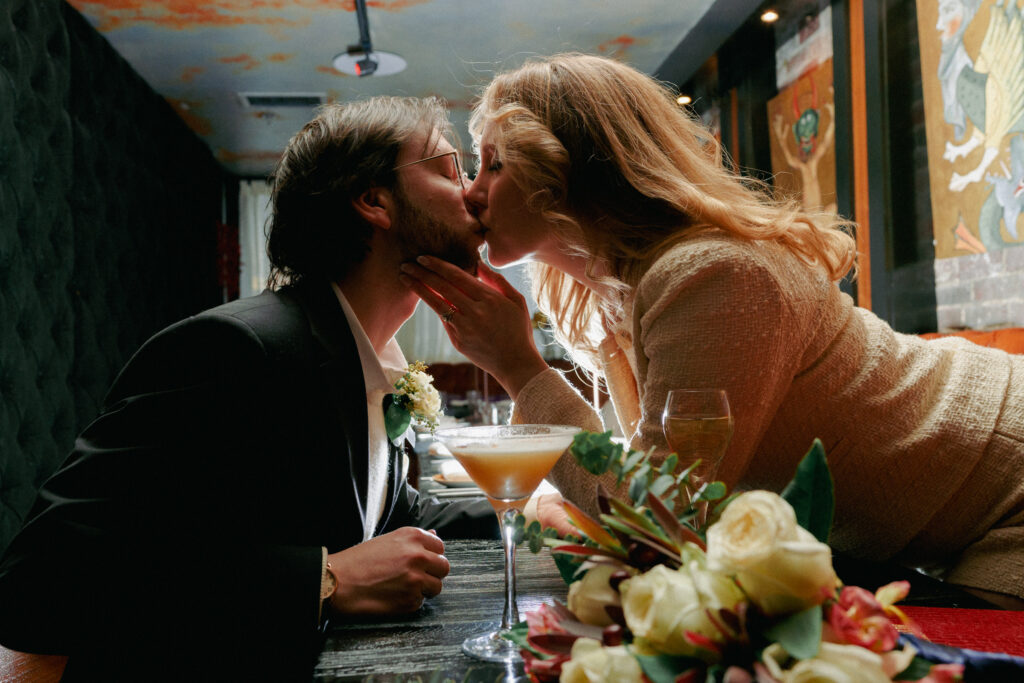
This is Kayla and Dan at the Hobgoblin restaurant after their Boston City Hall wedding. The warm glow around them? That’s a single flash, carefully placed behind and to the side of the couple, calibrated to create a halo effect without blowing out the scene or looking artificial.
Backlit flash, when overused, looks tacky — very 2016 wedding photography. Used with intention and restraint, it creates something that feels almost cinematic.
That’s the difference between flash as a tool and flash as a style. I use it as a tool.
What I Show Up With
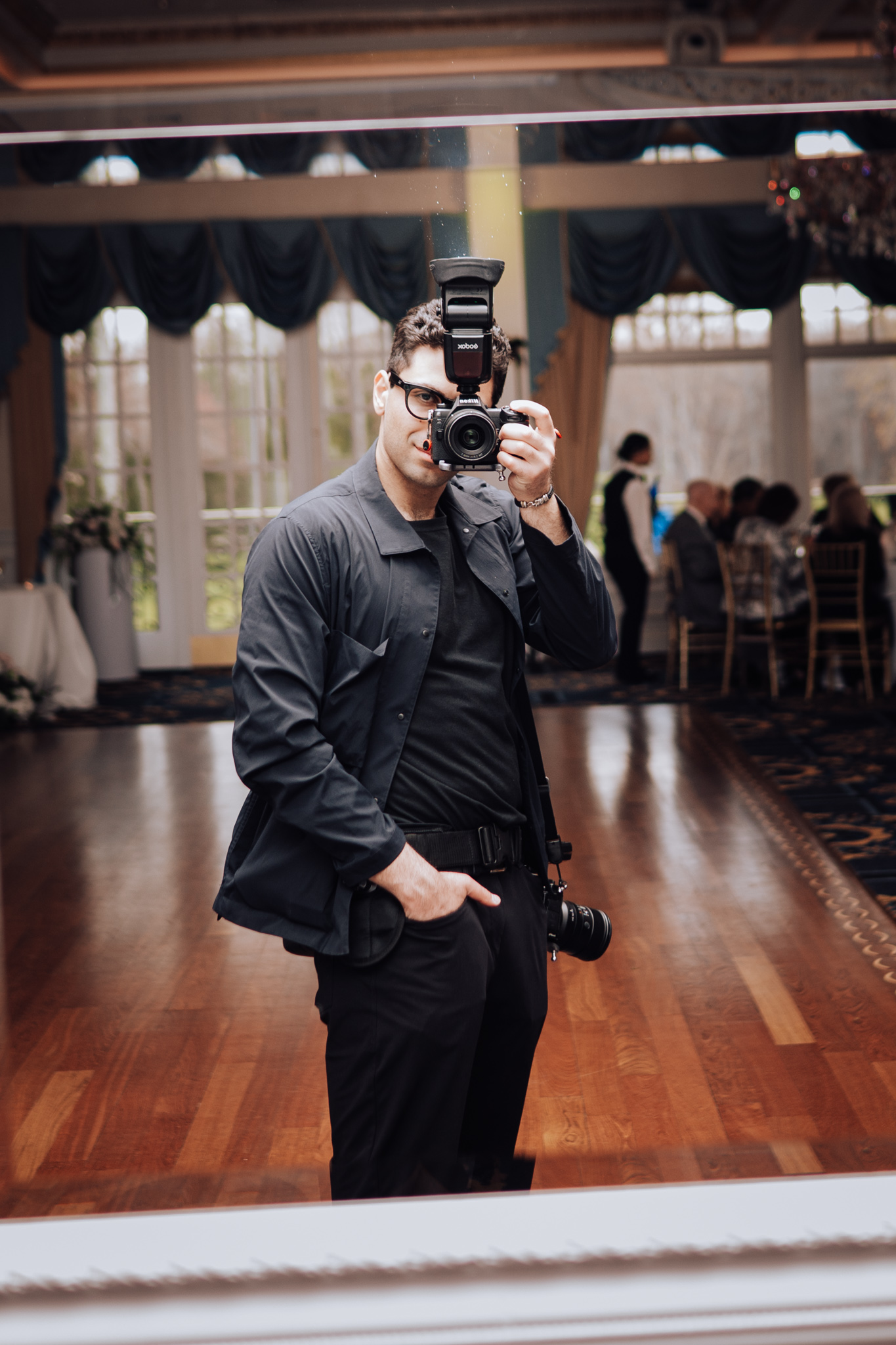
I carry more flash equipment than most photographers you’ll meet — not because I use it constantly, but because your day happens once and I want the option to handle anything:
- Godox AD200Pro and AD300Pro (powerful portable strobes that can overpower the sun)
- 4 speedlights: V1-Nikon, V1Pro-Nikon, V1-Fujifilm, iT30Pro with riser
- 2 Manfrotto lightstands
- 2x shoot-through and reflective umbrellas
- 24″ fast softbox
- MagMod modifier system
- iVisii RGB LED light cube
Most of this stays in my bag for most of the day, but it’s there if and when I need it.
The Question to Ask Your Photographer
If you’re vetting photographers on this, here’s a simple test: ask them when they use flash and when they don’t. A photographer with genuine mastery of light will give you a nuanced, specific answer. Someone who says “I only use natural light” without further explanation — unless they’re absolute masters of a pure documentary style, like Kevin Mullins in the UK, color me skeptical.
You deserve photos that are beautiful, regardless of what the weather or your venue’s lighting fixtures do.
Curious about how I’d approach your specific venue or day? Let’s talk.